Caught in the Crossfire: The Complex Case of Kilmar Abrego Garcia and the U.S. Deportation Dilemma
"Caught in the Crossfire: The Complex Case of Kilmar Abrego Garcia and the U.S. Deportation Dilemma"
In a labyrinthine legal saga that underscores the complexities of U.S. immigration and criminal justice systems, Kilmar Abrego Garcia remains ensnared in a web of contradictory government actions and legal uncertainties. A federal judge in Tennessee has ordered that the Salvadoran native, who faces federal human smuggling charges, remain in jail amid fears of deportation upon his release. This decision follows a tumultuous series of events that began with a mistaken deportation to El Salvador, a country where Abrego Garcia was held in a notorious mega-prison, despite a 2019 court order prohibiting his removal due to fears of persecution.
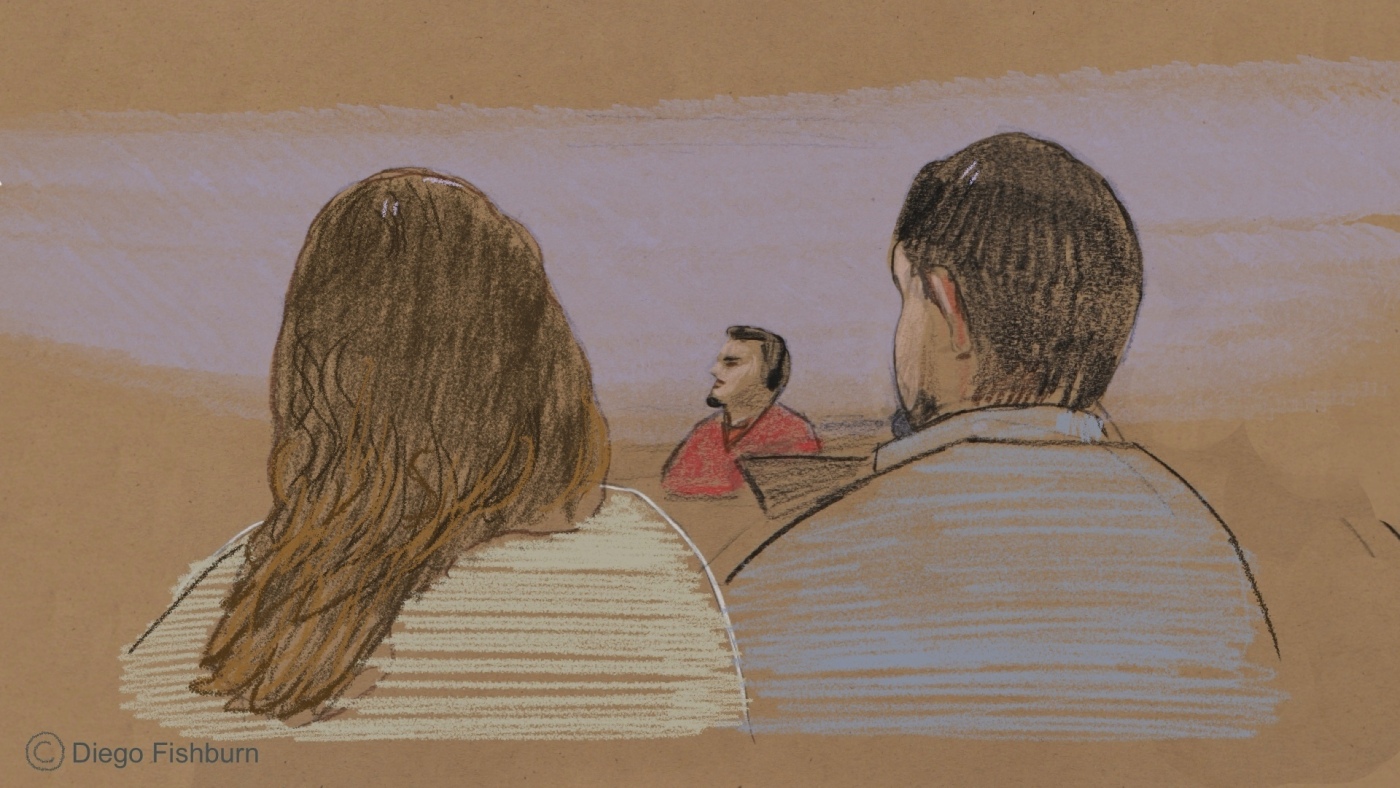
The drama unfolded in a Nashville courtroom where U.S. Magistrate Judge Barbara Holmes initially ordered Abrego Garcia's release on bail, citing the government's failure to demonstrate that he posed a flight risk or danger to the community. However, the federal government swiftly moved to stay Holmes' ruling, a request that was later echoed by U.S. District Judge Waverly Crenshaw. Appointed by President Barack Obama, Judge Crenshaw acknowledged the government's control over Abrego Garcia's residency while he awaits trial, yet expressed concern over the potential for Immigration and Customs Enforcement (ICE) to take him into custody upon release.
The crux of the issue lies in the conflicting messages from the Department of Justice (DOJ) and ICE. Abrego Garcia's legal team, in a motion filed Friday, highlighted the irony of requesting a delay in his release due to fears of deportation—a move necessitated by the government's vacillating stance. An emergency hearing in Maryland, Abrego Garcia's home state, revealed plans to deport him to a third country upon release, a claim later clarified by a DOJ spokesperson who asserted there were "no imminent plans" to remove him from the U.S., and that the government's intention was to bring him to trial first.
"Because DOJ has made directly contradictory statements on this issue in the last 18 hours, and because we cannot put any faith in any representation made on this issue by the DOJ, we respectfully request to delay the issuance of the release order," his attorneys articulated in their motion, encapsulating the chaos that has characterized this case.
Abrego Garcia's ordeal began in March when he was deported to El Salvador due to an administrative error, despite being accused by immigration authorities of MS-13 gang affiliation—an allegation vehemently denied by his wife and legal representatives. His return to the U.S. in June was the result of a protracted legal battle, with the Trump administration's Justice Department asserting that he was brought back to face charges of conspiring to transport thousands of migrants without legal status from Texas to various U.S. locations between 2016 and 2025.
As this legal quagmire continues to unfold, it highlights the broader implications of immigration policy and the intricate dance between criminal and immigration law. Abrego Garcia's case serves as a stark reminder of the human cost of bureaucratic errors and the precarious balance of justice in a system fraught with contradictions and uncertainty.
🔮 Fortellr Predicts
Confidence: 85%
The unfolding case of Kilmar Abrego Garcia is likely to exacerbate tensions between different branches of the U.S. government and highlight existing fissures in immigration enforcement policies. The immediate judicial actions could lead to a temporary standoff between the court's desire to ensure due process and the Trump administration's determination to expedite deportation procedures. Legal teams are expected to aggressively pursue avenues to uphold judicial integrity and might leverage international human rights perspectives to complicate deportation measures. The systemic impact will resonate within the departments involved, likely prompting a reevaluation of current processes and practices within ICE and DOJ, aiming to close any operational loopholes that allowed the current scenario to develop. Politically, increased scrutiny from civil rights groups could propel the case into a national conversation, potentially influencing future policy discussions around immigration reform and federal enforcement priorities. This situation, while unique, reflects broader systemic challenges that could provoke a reactive policy recalibration to ensure alignment with judicial directives and international standards.