Marching for Justice: Kenya's Nationwide Tribute to Fallen Protesters Amidst Lingering Tensions
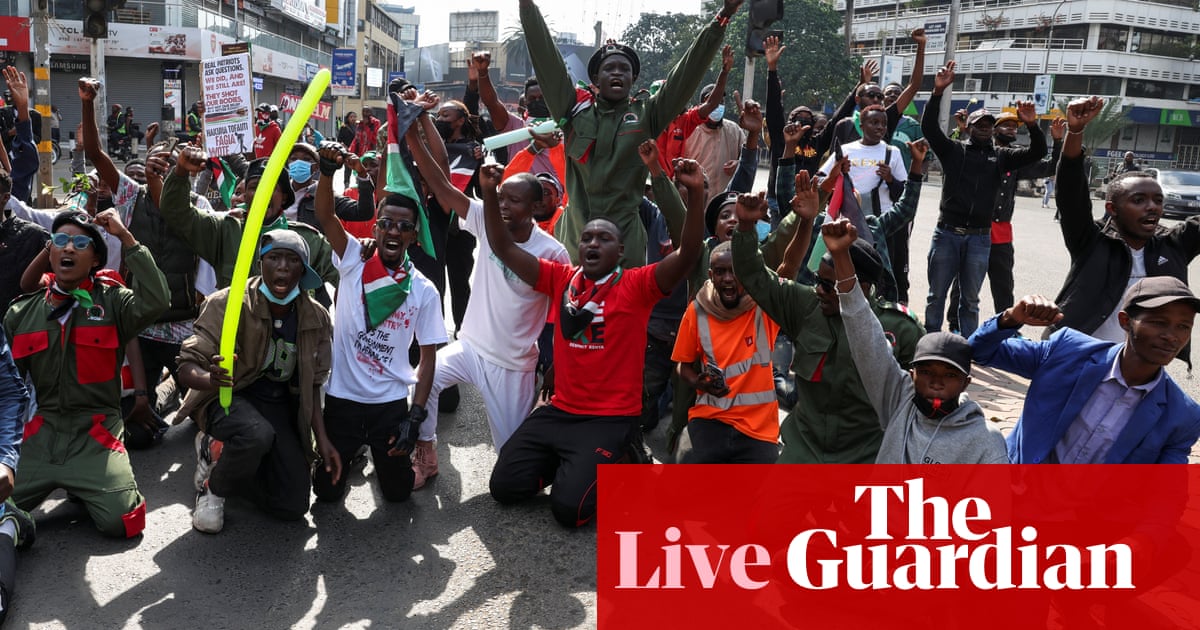
In a poignant display of unity and defiance, Kenyans have taken to the streets to commemorate the first anniversary of the 2024 anti-government protests, a period marked by intense civil unrest and tragic loss. On this day, June 25, 2025, the air in Nairobi is thick with both remembrance and unresolved anger. The city, a bustling hub of commerce and culture, finds itself once again at the epicenter of a national movement that refuses to fade into history.
The protests of 2024 erupted in response to a controversial government finance bill proposing a staggering $2.7 billion tax increase. This included levies on essential goods such as sanitary towels, digital content, car ownership, and staples like oil and bread. These measures were introduced amidst a crippling cost of living crisis, leaving many Kenyans struggling to make ends meet. The government, led by President William Ruto, justified these hikes as necessary to address a colossal public debt of 10 trillion shillings, approximately 70% of the nation's GDP.
However, the public's patience wore thin. The streets of Kenya became battlegrounds as citizens voiced their dissent against what they perceived as an unjust economic burden. The protests turned violent, leading to the deaths of at least 60 individuals, with many more reported missing. The images of chaos and confrontation, captured vividly in photographs, remain etched in the collective memory of the nation.
Today's march is not merely a tribute to those who lost their lives; it is a clarion call for justice and accountability. Demonstrators, some donning protective masks, are determined to honor the fallen while demanding answers for the excessive force employed by security agencies during last year's unrest. The government's response to the protests, characterized by barricaded roads and government buildings fortified with razor wire, speaks volumes about the ongoing tension between the state and its citizens.
President Ruto, in a bid to quell the rising tide of discontent, retracted the finance bill and restructured his cabinet to include opposition figures. Yet, these gestures have done little to assuage the public's anger. The specter of state-backed gangs and police brutality looms large, casting a shadow over today's demonstrations.
Critics have pointed fingers at the International Monetary Fund (IMF), accusing it of being the puppet master behind the government's austerity measures. Two weeks prior to the 2024 protests, the Kenyan government and the IMF had convened to discuss conditions for a $3.9 billion loan. The agreement called for increased taxes, reduced subsidies, and cuts in government waste—a bitter pill for a populace already reeling from economic hardship.
As the sun sets over Nairobi, the resolve of the Kenyan people remains unbroken. Their march across the country is a testament to their enduring spirit and a reminder that the fight for justice is far from over. The streets, once again, echo with the chants of a nation unwilling to be silenced.
In this moment of reflection and resistance, the world watches as Kenya grapples with its past and charts a course for its future. The legacy of the 2024 protests lives on, not just in the memories of those who were there, but in the hearts of all who continue to march for a better tomorrow.
🔮 Fortellr Predicts
Confidence: 85%
The situation in Kenya, marked by ongoing civil unrest, is likely to evolve along several potential pathways, driven by the multifaceted challenges of economic hardship, political discord, and public discontent. In the short term, the government's immediate response to the protests will be crucial in determining the trajectory of civil stability. Historical precedents, such as Egypt's 'Bread Riots' and Lebanon's 2019 protests, suggest that significant domestic pressure could compel the Ruto administration to enact policy reforms or further cabinet restructuring to appease public demands. However, the entrenched economic difficulties, largely influenced by prior IMF conditions, present systemic barriers to rapid economic recovery or substantial policy reversals without further external financial negotiations. Stakeholder responses will be complex, with opposition parties possibly gaining leverage and influence, while the public's continued demand for justice and accountability over past state violence could sustain protest momentum. The economic impact of these protests may further strain public services and infrastructure if instability continues, affecting local businesses and international investment keys. Regionally, these developments may prompt neighboring countries and the African Union to issue statements or deploy diplomatic envoys aimed at stabilizing the situation. The government's ability to maintain effective communication and demonstrate genuine reform efforts will be pivotal in averting further escalation.